
Retinal conditions and problems with your vision

Learn about conditions that affect the retina, the light-sensitive tissue at the back of your eye, and how they can change your vision.

Retinal conditions and problems with your vision

Learn about conditions that affect the retina, the light-sensitive tissue at the back of your eye, and how they can change your vision.

What you should know about retinal conditions

Discover what causes retinal conditions, how to recognise possible symptoms and why early assessment can be important for protecting your sight.

The retina is a thin layer of light-sensitive tissue at the back of your eye. It receives light and converts it into signals that travel to your brain, allowing you to see shapes, colours and movement. The macula is the central part of the retina and is responsible for detailed vision, such as reading and recognising faces. When the retina is damaged or affected by disease, your vision may become blurred, distorted or reduced.
Several conditions can affect the retina and the way you see. These include diabetic retinopathy, which damages the retina’s blood vessels; age-related macular degeneration, which affects central vision; and retinal detachment, which occurs when the retina separates from the back of the eye. Other conditions include macular holes and swelling in the retina. Each condition affects vision differently, and some can develop without noticeable symptoms in their early stages.
Symptoms depend on the type of retinal condition and how much it affects the eye. You may notice blurred or distorted vision, difficulty reading, dark spots or floaters, flashes of light, or missing areas in your field of vision. Some retinal conditions develop gradually, while others can cause sudden changes. Retinal problems do not always cause pain, so changes in your sight should not be ignored, even if your eyes feel comfortable.
Retinal conditions can develop for several reasons. Ageing can contribute to changes in the retina, while diabetes can damage the small blood vessels that supply it. Other causes include changes inside the eye, reduced blood flow, inflammation, inherited conditions and eye injuries. Retinal detachment can occur when a tear or break allows fluid to collect behind the retina. The underlying cause varies between conditions, so an eye examination is important when symptoms or changes in vision occur.
The risk of retinal conditions can increase with age, diabetes, high blood pressure, certain inherited conditions and a family history of particular eye diseases. People who are very short-sighted or who have experienced an eye injury or previous eye surgery may also have a higher risk of retinal detachment. However, retinal conditions can affect people of different ages, including those without obvious risk factors. If you have diabetes or a known retinal condition, regular eye examinations can help identify changes that may not yet affect your vision.
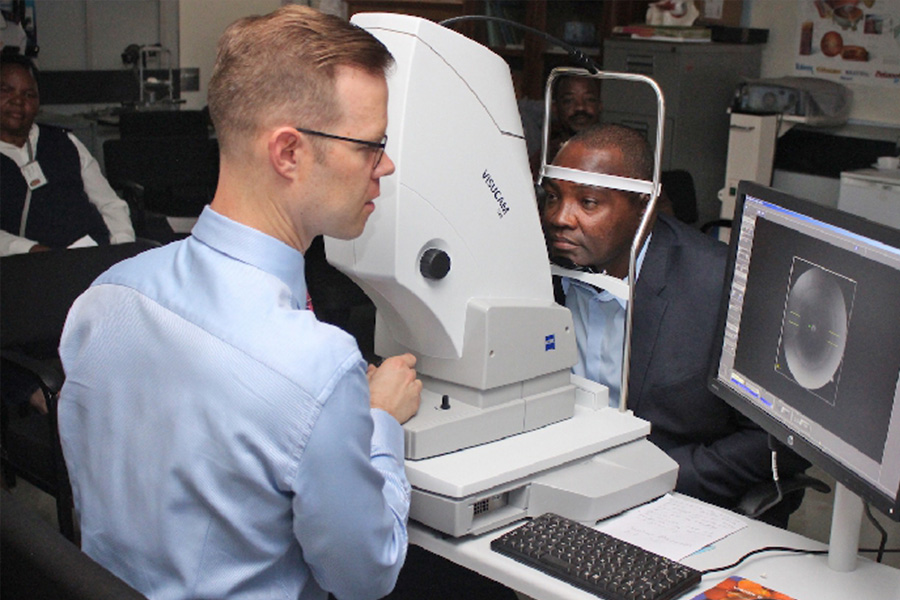
Retinal conditions are assessed through an eye examination, which may include checking your vision and examining the back of your eye. Eye drops may be used to widen your pupils so the retina can be viewed more clearly. Depending on your symptoms, your eye specialist may also recommend retinal imaging or scans to examine the structure of the retina in greater detail. These tests can help identify changes, assess the extent of a problem and guide decisions about further care.
Yes. Some retinal conditions can lead to permanent vision loss if they damage the retina or affect its blood supply. The impact on vision depends on the condition, its severity and which part of the retina is affected. For example, damage to the macula can affect central vision, while retinal detachment can threaten sight across a larger area of the eye. Some conditions progress slowly, while others need urgent attention. Detecting retinal changes early can be important in reducing the risk of further vision loss.

Take the first step towards clearer, healthier vision

Request an appointment to understand your eyes, explore your options and find out what treatment may be right for you.

Take the first step towards clearer, healthier vision

Request an appointment to understand your eyes, explore your options and find out what treatment may be right for you.

See your best in 3 simple steps 

Your eye health matters. We make your journey from your first assessment to better vision clear, simple and personal

Step 1: Get in touch

Every pair of eyes is different, so the right treatment depends on your vision, eye health, lifestyle and goals. Get in touch with our friendly team to arrange your initial assessment and find out how we can help.

Step 2: We’ll meet 

At your assessment, we’ll take the time to understand your needs and examine your eyes in detail. We’ll explain your options, answer your questions and recommend the most suitable treatment for you. You’ll leave with a clear understanding of the next step and what to expect.

Step 3: Enjoy Freedom

Once your treatment is complete, you can look forward to the lasting benefits of clearer, more comfortable vision. Whether your goal is greater freedom from glasses, improved everyday vision or better eye health, we’re here to support you throughout your journey.

The difference better vision can make

Discover how the right eye care has helped our patients see and live with greater confidence.

We have replaced the images of real patients who provided these testimonials to protect their privacy.

Dr  Sven  Obholzer

MBChB (Stell), MMed Ophth (Stell), FC Ophth (SA)

I’m a specialist ophthalmologist with more than 14 years of experience in eye care and microsurgery. I trained at Stellenbosch University and Tygerberg Hospital in Cape Town, where I completed my Master’s Degree in Ophthalmology and Fellowship of the College of Ophthalmologists of South Africa. My main areas of interest include retinal surgery, cataract surgery and anterior segment surgery. As founder of the Namibia Eye Institute, I use modern surgical techniques and advanced technology. My focus is simple: to provide careful, evidence-based treatment that is tailored to each patient.